
With annual sales soaring to 700 million, it has surged into the Amazon Top 3! This e-bike brand from China is taking the North American market by storm.
When people hear the term “civil servant,” do they immediately form certain stereotypes? For example—a preference for stability and a tendency to stick to the rules. Such people seem to be worlds apart from entrepreneurs who embrace risk-taking, trial and error, and diving into emerging cross-border markets.
But Heybike, a leading Chinese e-bike brand, has shattered this preconceived notion: the brand’s founder came from a government background yet had the courage to step out of his comfort zone and target the overseas new energy market.
In 2016, the founder resigned from a government-sector job in Shandong to start his own business. Two years later, he received an OEM order from a European e-bike company, which led him to enter the electric-assist bicycle market and establish the Heybike brand.
Just seven months after its launch, the brand sold more than 15,000 e-bikes, and within a year, it ranked among the top three in Amazon’s e-bike category. By 2024, Heybike had risen to become one of the top three players in the North American e-bike market by sales volume.
What exactly has driven Heybike’s tremendous success?
I. Precise Targeting: Identifying Overlooked Users
“Having an e-bike is like a fish having a bicycle.”
Many Chinese users have expressed this sentiment, yet e-bikes remain a niche category in China. This is because electric scooters are used for short-distance commuting and food delivery, while traditional bicycles are used for exercise and fitness—the demand for both has been completely segmented.
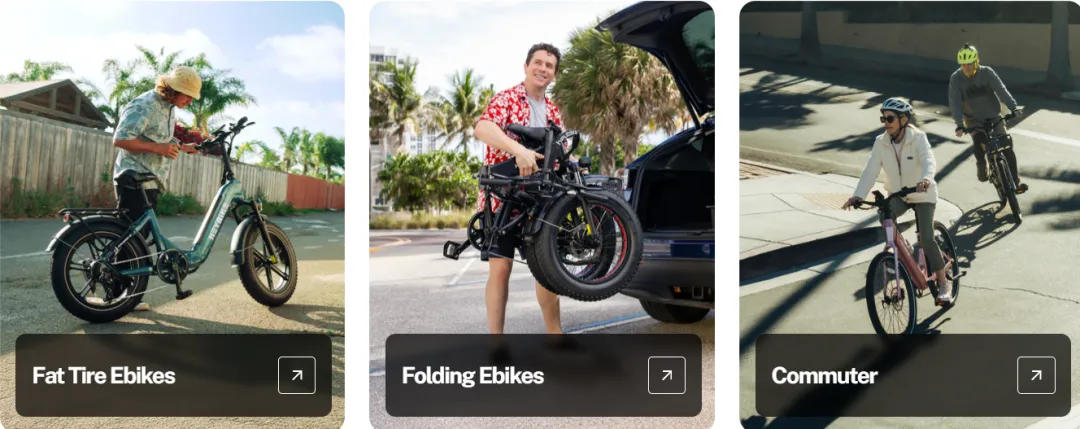
However, in countries like those in Europe and the United States, e-bikes have become a phenomenon in the consumer market. The core reason lies in the fact that urban living in these regions is more dispersed, commuting distances are longer, and fuel prices and vehicle maintenance costs remain high. The public craves a way to balance effortless commuting with outdoor recreation, and e-bikes perfectly address these local mobility pain points—which has become the underlying opportunity for them to take root in the European and American markets.
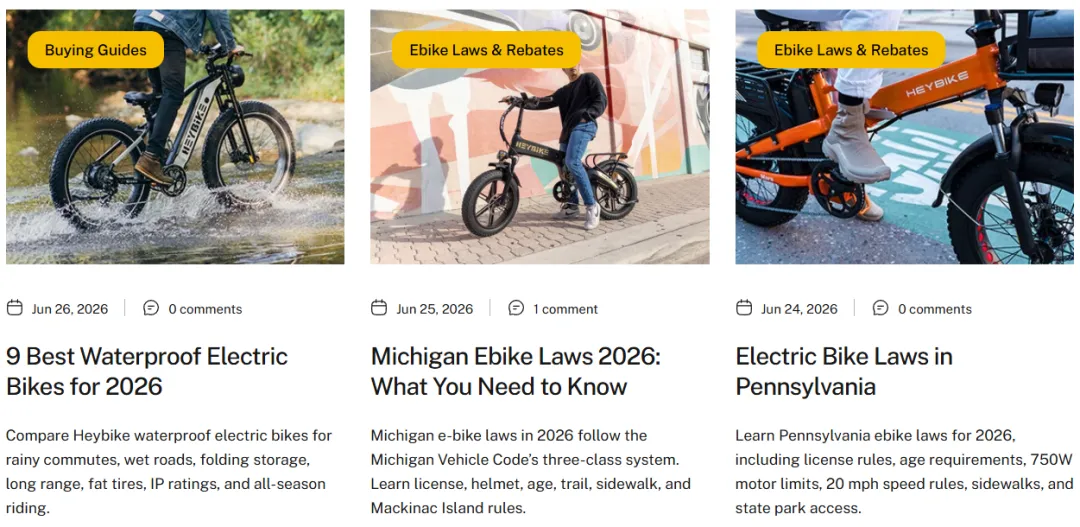
The first key to Heybike’s success lies in its precise insight into market demand.
In 2021, the North American e-bike market had a penetration rate of less than 1%, with a market size of only a few hundred thousand units, and products were primarily focused on off-road scenarios for tech enthusiasts. Li Yifan, co-founder of Heybike, keenly identified a massive “demand gap”: the everyday needs of ordinary consumers—such as commuting, senior mobility, and pet transportation—were completely unmet.
“U.S. consumers have a very vague idea of what their first e-bike should be like; they need a versatile bike that can handle both daily commuting and weekend leisure activities,” Li Yifan explained.
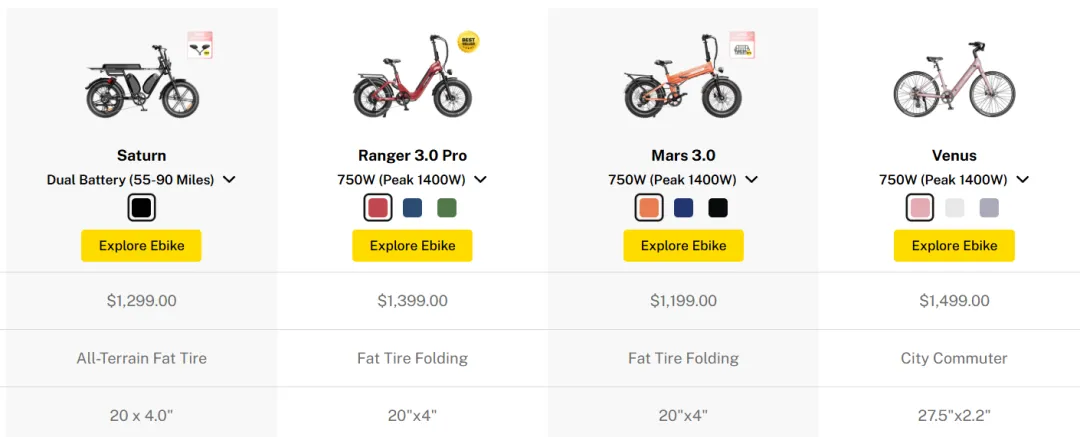
Based on this assessment, Heybike resisted the temptation to expand into multiple product categories and instead adopted a strategy of “one meter wide, 100 meters deep,” focusing on two core scenarios: urban commuting and light outdoor adventures:
Its Cityscape series targets urban commuters and female users, featuring classic designs, stability, and comfort, priced at around $1,000; this price point skillfully avoids the cutthroat competition of the low-end market while differentiating itself from high-end professional models.
According to data from the Noxinfluencer platform, Heybike’s audience consists primarily of young people aged 18–34.(We cordially invite you to try it out :Influencer Marketing Platform & Analytics Tool | NoxInfluencer)
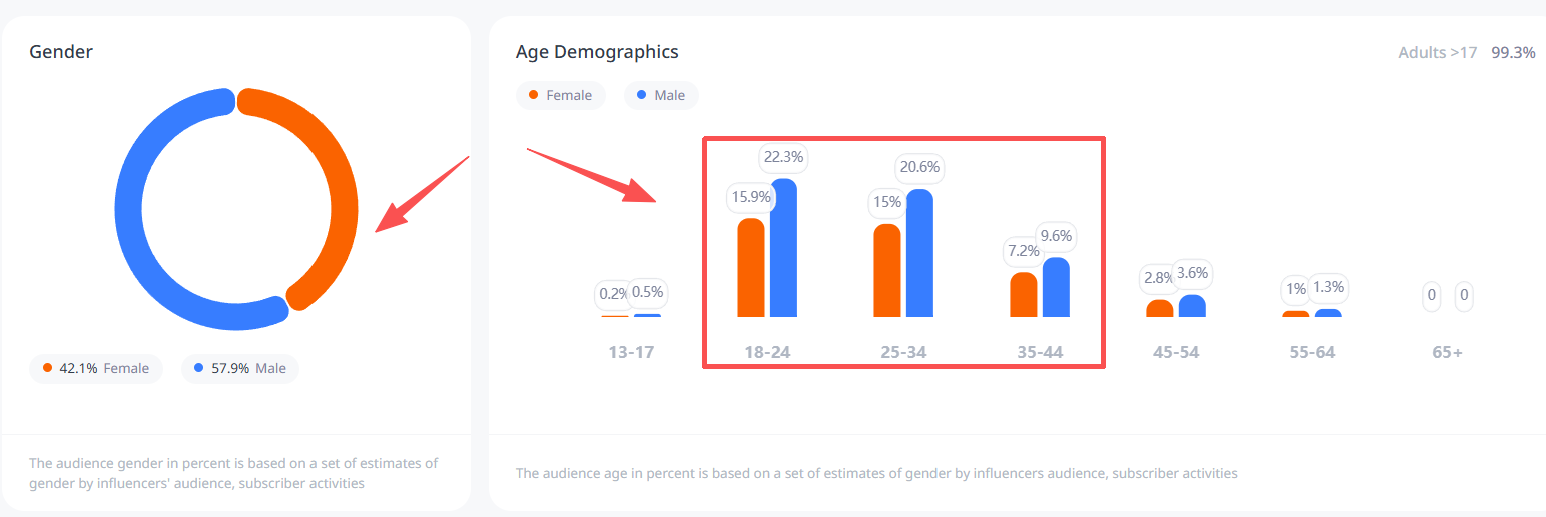
These users are highly receptive to new technologies and possess both the purchasing power and a willingness to provide feedback.
Heybike has optimized its products to address their real pain points, focusing on smooth motor acceleration, low-speed torque, and noise control rather than blindly pursuing peak power—a strategy that has undoubtedly proven highly successful.
II. DTC + Omnichannel: A Sales Network That Reaches Users Directly
Heybike’s second key to success is its flexible combination of channel strategies.
In the early stages, Heybike adopted a pure DTC model, reaching consumers directly through Amazon and its own brand website. The advantages of this model include the ability to gather first-hand user feedback, rapidly iterate on product design, and maintain high profit margins.
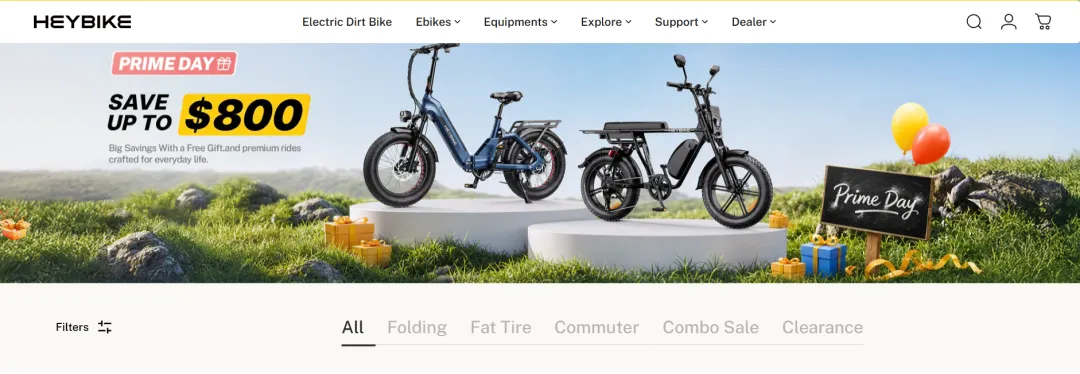
After establishing a foothold in the DTC model, Heybike began expanding into brick-and-mortar retail. In May 2023, Heybike announced a partnership with Best Buy, becoming one of the first Chinese e-bike brands to enter the mainstream U.S. retail network. Consumers can try out the products in person at Best Buy stores and enjoy professional assembly and setup services from the Geek Squad.
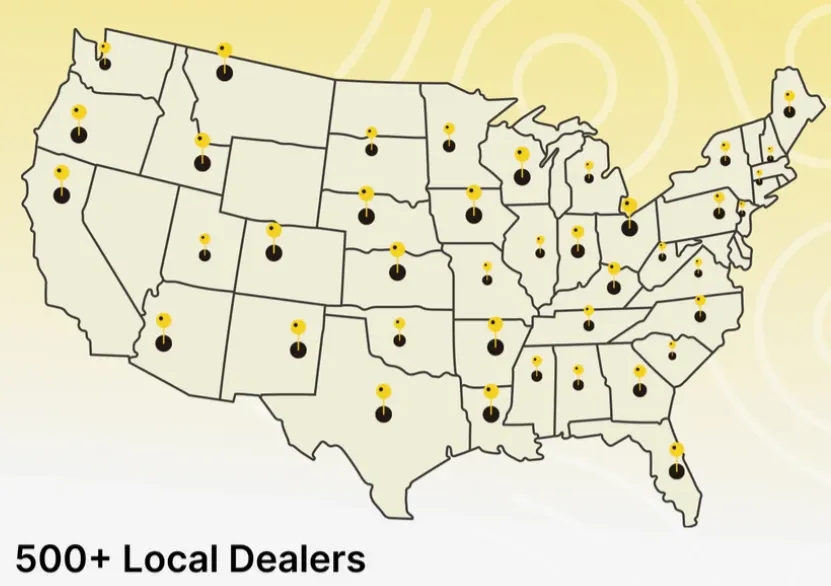
At the same time, Heybike has been actively organizing dealer events and trade shows across the United States, such as the Electrify Expo in Seattle and in-person experience events near the University of San Diego, with some events attracting more than 200 participants.
This omnichannel strategy—combining “online buzz with offline experiences”—not only preserves the brand’s digital DNA and efficiency but also addresses the trust issues associated with e-bikes—which are high-priced, experience-driven products—through physical touchpoints.
III. Influencer Marketing: Addressing Customer Trust Issues
Electric bicycles are high-value, scenario-specific, and experience-driven major consumer goods. It’s difficult to convey the “riding experience” through text and images alone, but when influencers film themselves riding uphill and downhill, carrying passengers, and navigating speed bumps, users can instantly perceive the differences between products—addressing the pain point of online purchases for major items that cannot be seen or touched.
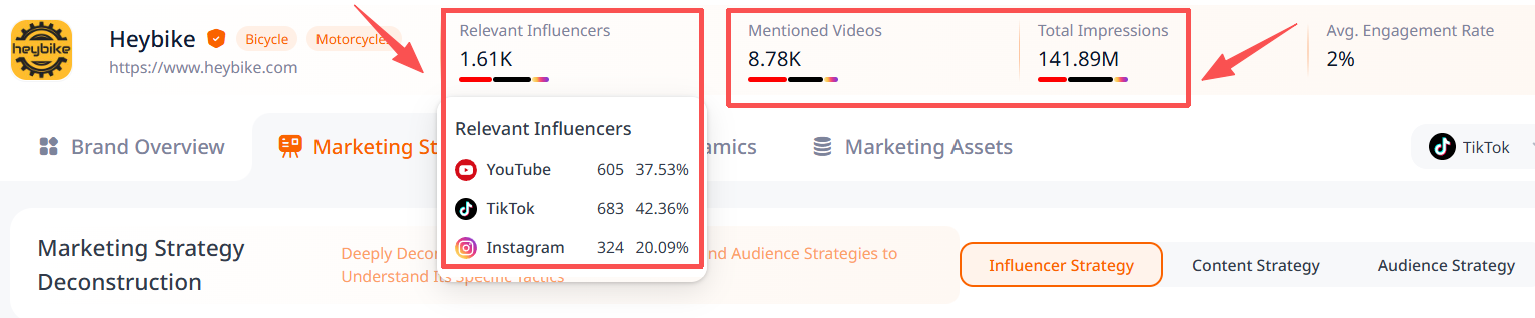
According to data from the Noxinfluencer platform, Heybike collaborated with over 1,600 influencers in a single year. The ratio of influencers across its three major platforms was approximately 4:4:2. By distributing its advertising budget evenly and avoiding over-reliance on any single channel, the company mitigates the risk of traffic fluctuations on any one platform and establishes a comprehensive marketing funnel.(We cordially invite you to try it out :Influencer Marketing Platform & Analytics Tool | NoxInfluencer)
Its strategy for targeting niche categories on social media centers on influencers specializing in vertical transportation, focusing on precise, targeted efforts.
This category accounts for 41.6% of influencers, making it the largest niche category for collaborations; humor, entertainment, travel, gaming, and lifestyle each account for less than 6%, with advertising spending highly concentrated in the cycling, automotive, and outdoor transportation verticals.(We cordially invite you to try it out :Influencer Marketing Platform & Analytics Tool | NoxInfluencer)
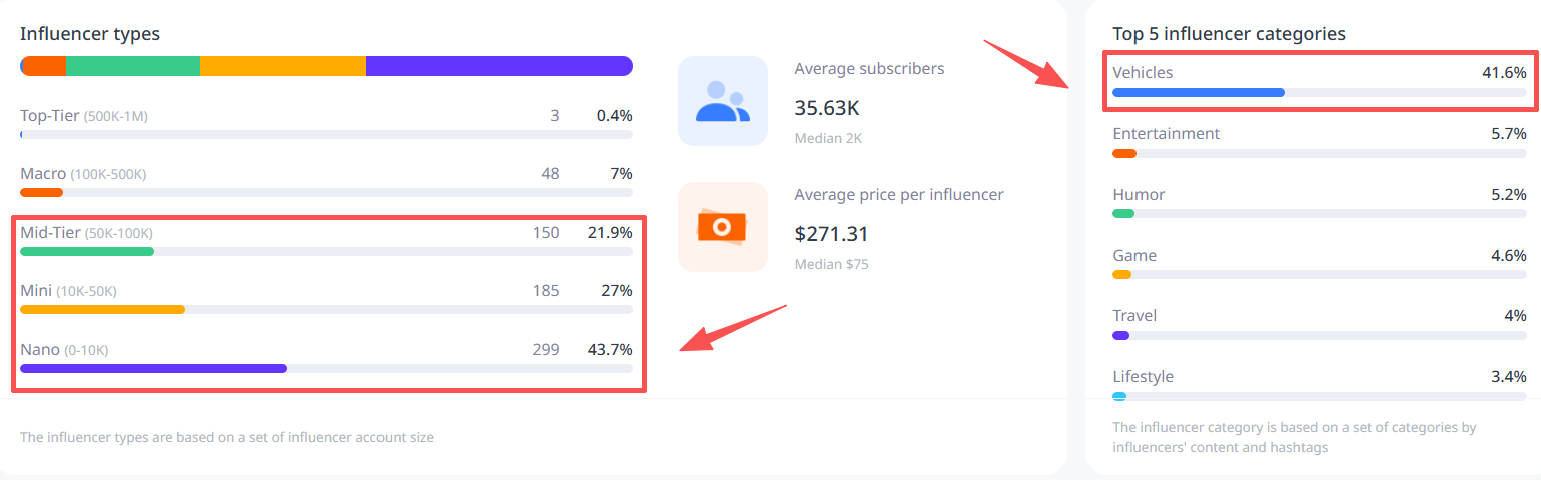
By leveraging professional niche influencers to produce hands-on tests, teardowns, and riding reviews, we can address the challenges of high average order values and low user trust in the e-bike market, while reinforcing Heybike’s brand image as a professional and safe vertical-market leader.
Looking back at Heybike’s journey to success, its achievements are no accident—they are the result of a combination of precise market positioning, robust product capabilities, a DTC + omnichannel strategy, and a deep focus on influencer marketing.
At a time when Chinese brands expanding overseas are generally mired in a vicious cycle of price wars, traffic competition, and cash-burning, Heybike has steered clear of the industry’s short-sighted development pitfalls. By staying true to the essence of its products and users’ core needs, the company has adopted a deliberate, steady approach to deepening its market presence, built competitive barriers through solid capabilities, and pursued long-term growth through meticulous planning—a model worthy of emulation by all brands.
