
Five New Trends in Influencer Marketing for 2026
As the creator economy continues to boom, influencer marketing has long been a key strategy for global brands looking to expand and reach new audiences. In 2026, influencer collaboration models, content strategies, and traffic dynamics will undergo a comprehensive overhaul. Whether you’re involved in cross-border e-commerce, brand globalization, social media operations, or influencer campaign planning, you must stay abreast of the latest industry trends.
Today, Noxinfluencer breaks down the five major trends in influencer marketing for 2026. By understanding these trends, you can avoid detours and efficiently boost your marketing conversions.
I. Serialized, evergreen content has become the mainstream source of traffic
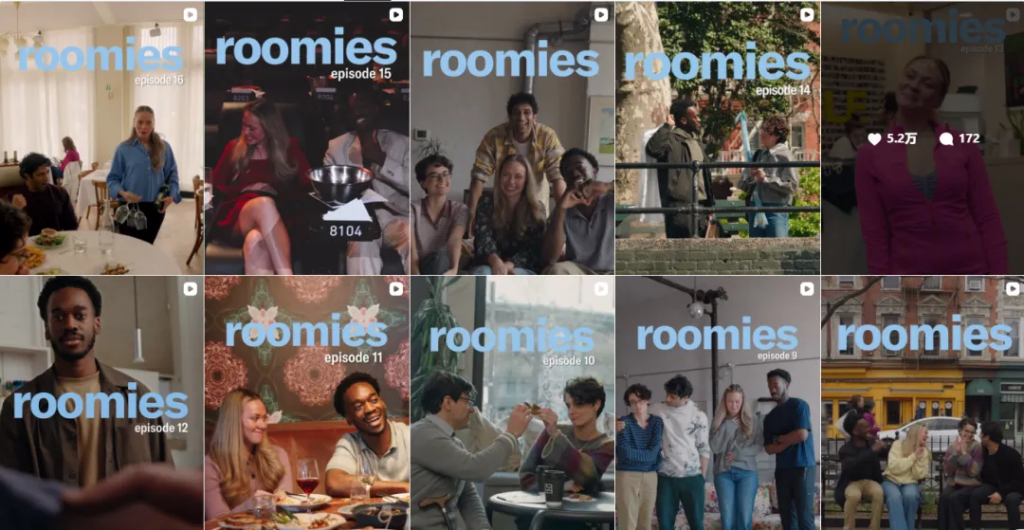
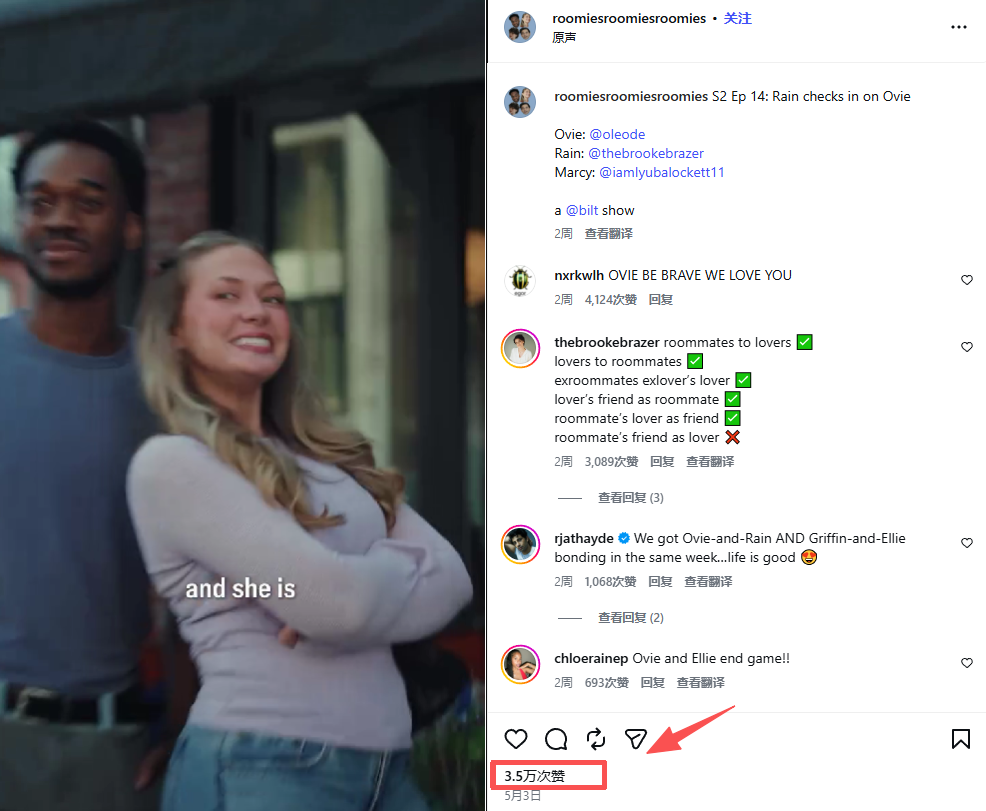
The story centers on the daily life of Ellie, a 25-year-old woman from Ohio who moves to New York to live with a group of roommates. Each episode features a short comedy skit—about two minutes long—performed by an influencer. The style is lighthearted and humorous, focusing on “New York flat-sharing life,” and the influencers interact with viewers in the comments section by sharing inside jokes, making it nothing like traditional product-promotion videos.
While users are hooked on the story, they subconsciously develop a positive impression of the Bilt—which is why its view and engagement metrics are so strong.
For brands expanding into international markets, this type of content integration feels natural and unforced, leading to higher user acceptance. Brands can collaborate with influencers to create exclusive serialized marketing content or subtly incorporate products into the influencers’ original series, thereby securing a long-term place in users’ minds and deeply engaging the Gen Z consumer demographic.
II. Influencer Content Boosts AEO
Following SEO (Search Engine Optimization), AEO has officially emerged as the new frontier in overseas marketing. In today’s AI-powered search results, a large volume of high-quality YouTube influencer videos are directly featured at the top of search results, and when users search for information, video content created by influencers is more likely to be displayed first.
Noxinfluencer supports the selection of authoritative influencers in specific verticals, aligning with the core requirements of AEO: the platform’s “Influencer Analysis” module thoroughly verifies an influencer’s industry credentials, content expertise, and follower authenticity. As a result, high-quality content from these influencers is more likely to be identified by AI as a “trustworthy answer source,” thereby boosting its search ranking.
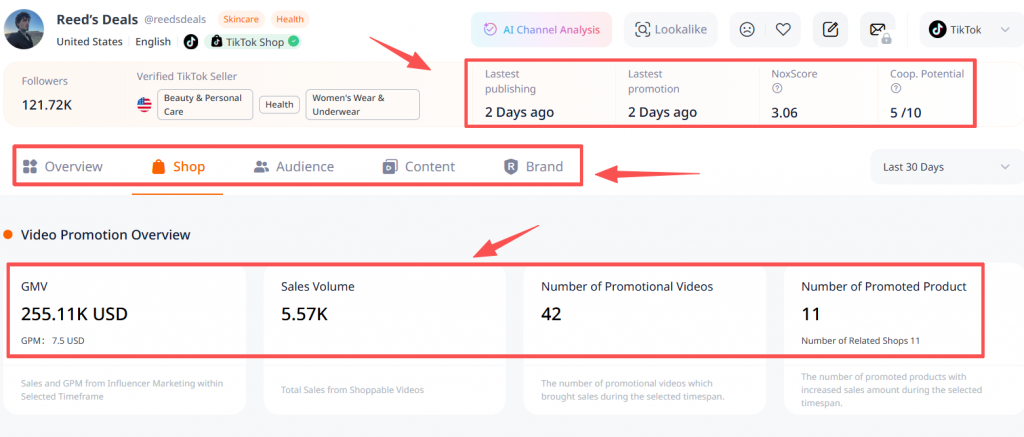

Not only that, but once you’ve found a high-quality influencer, you can use Noxinfluencer’s “Lookalike Influencers” feature to discover even more top-tier talent.
Furthermore, when brands collaborate with overseas influencers, they no longer focus solely on follower count; instead, they prioritize selecting bloggers who specialize in specific verticals. By optimizing video titles, subtitles, copy, and product educational content, videos can precisely match users’ search queries, driving a significant amount of organic search traffic at no cost.
III. On-location photography is gaining popularity, breaking free from the limitations of home shoots
In the post-pandemic era, the settings for influencer content creation have moved far beyond the confines of the home.
Formats such as on-location street photography, live coverage of in-person events, shopping district explorations, and live content creation at major fashion and lifestyle exhibitions have surged in popularity. This content feels more authentic, resonates with the daily lives of ordinary people overseas, and has significantly boosted trust.
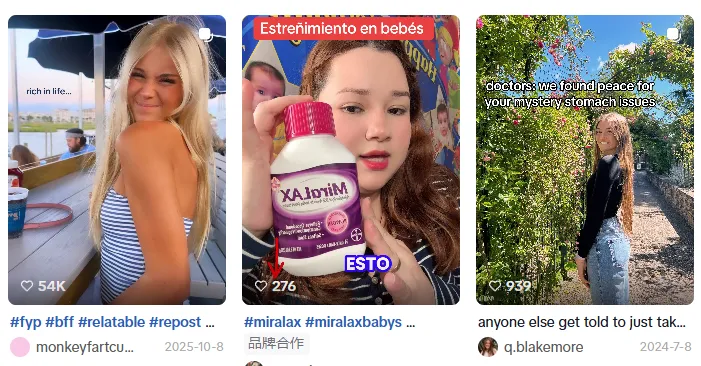
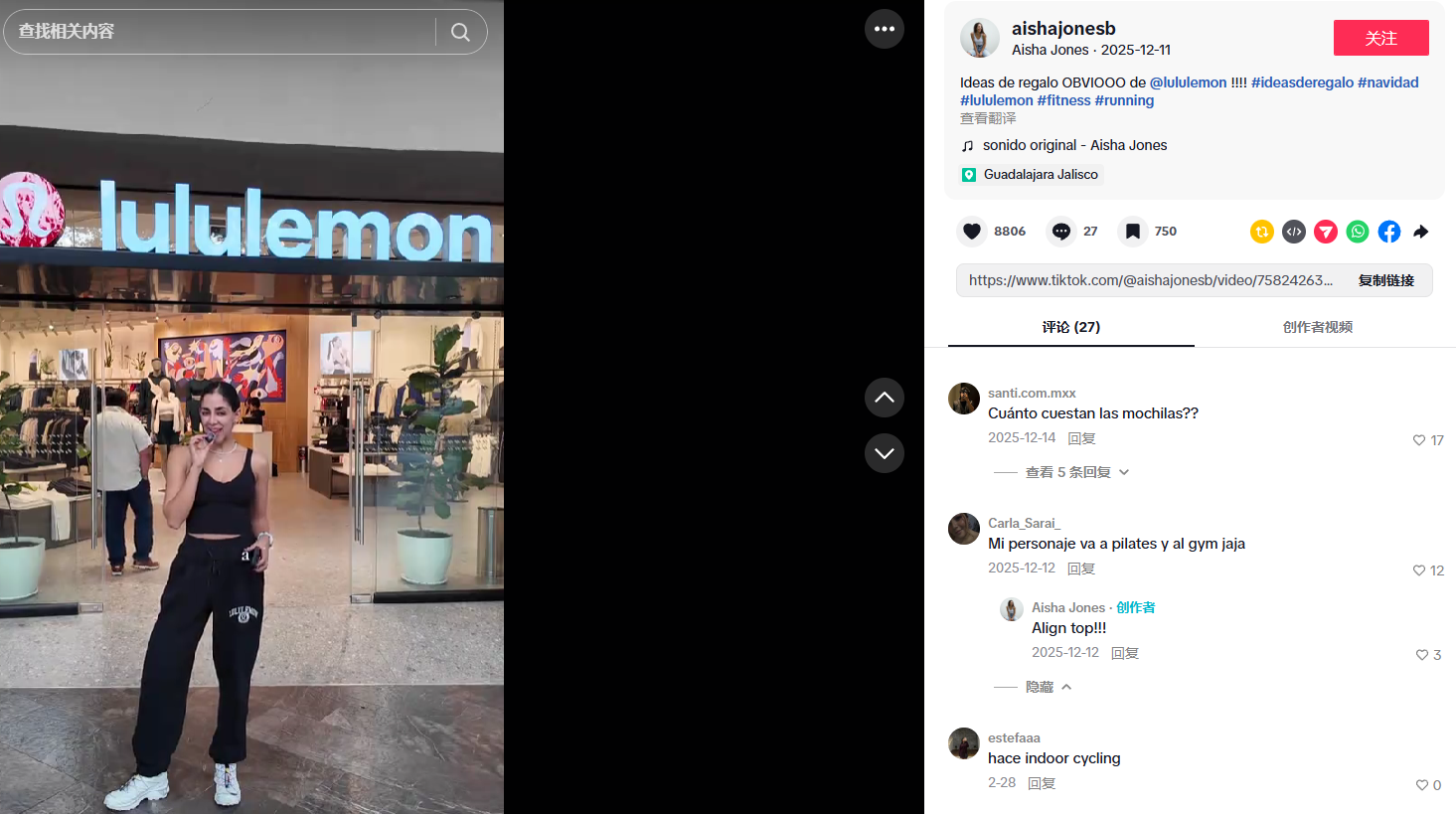
Brands can leverage major international fashion events and in-person experiential events to invite influencers to appear on-site and promote products, thereby bridging the gap in online marketing and achieving a promotional effect that combines online promotion with offline engagement.
IV. Stay on top of trending topics and quickly produce real-time marketing content
Trends on social media platforms change at a rapid pace; viral challenges, funny memes, and popular trends come and go in the blink of an eye.
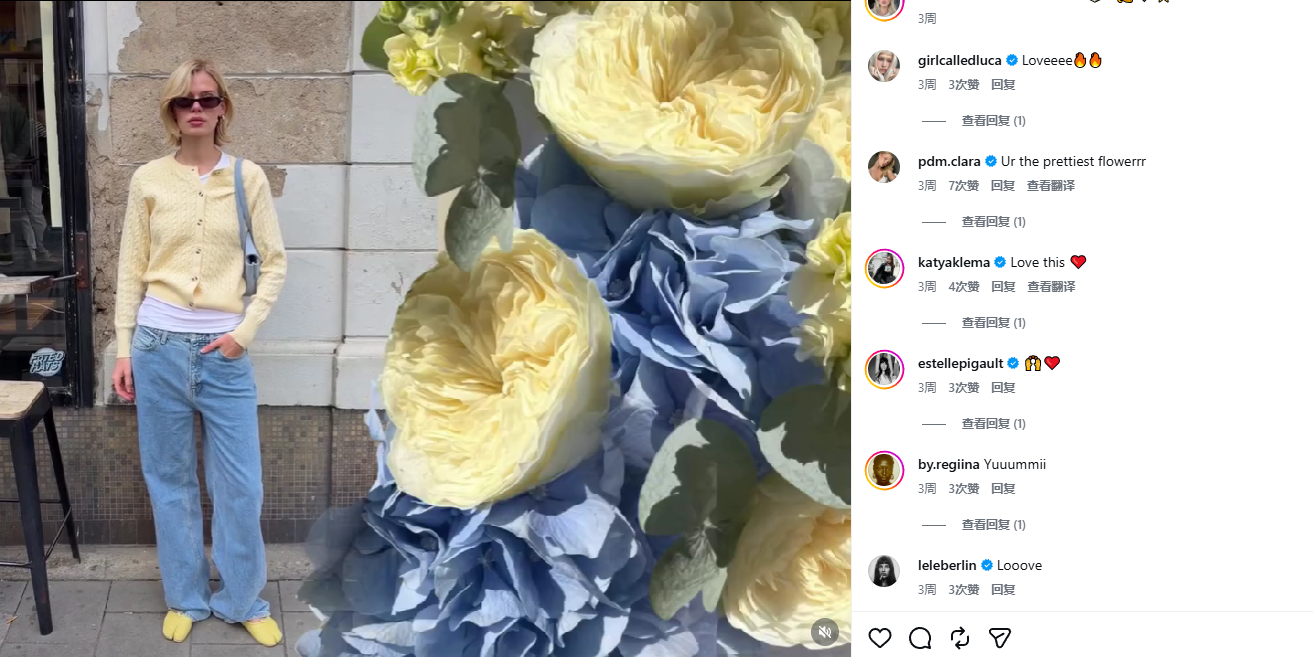
For example, this month on Instagram, influencers have been posting outfits on the left and matching-colored scenes (flowers, food, architecture) on the right.
Take the post below as an example: the main colors of the influencer’s outfit (pale yellow and light blue) perfectly complement the colors of the flower bouquet in the background, creating a natural sense of visual harmony. This post has garnered over 19,000 likes, clearly demonstrating that it has successfully capitalized on the trend.
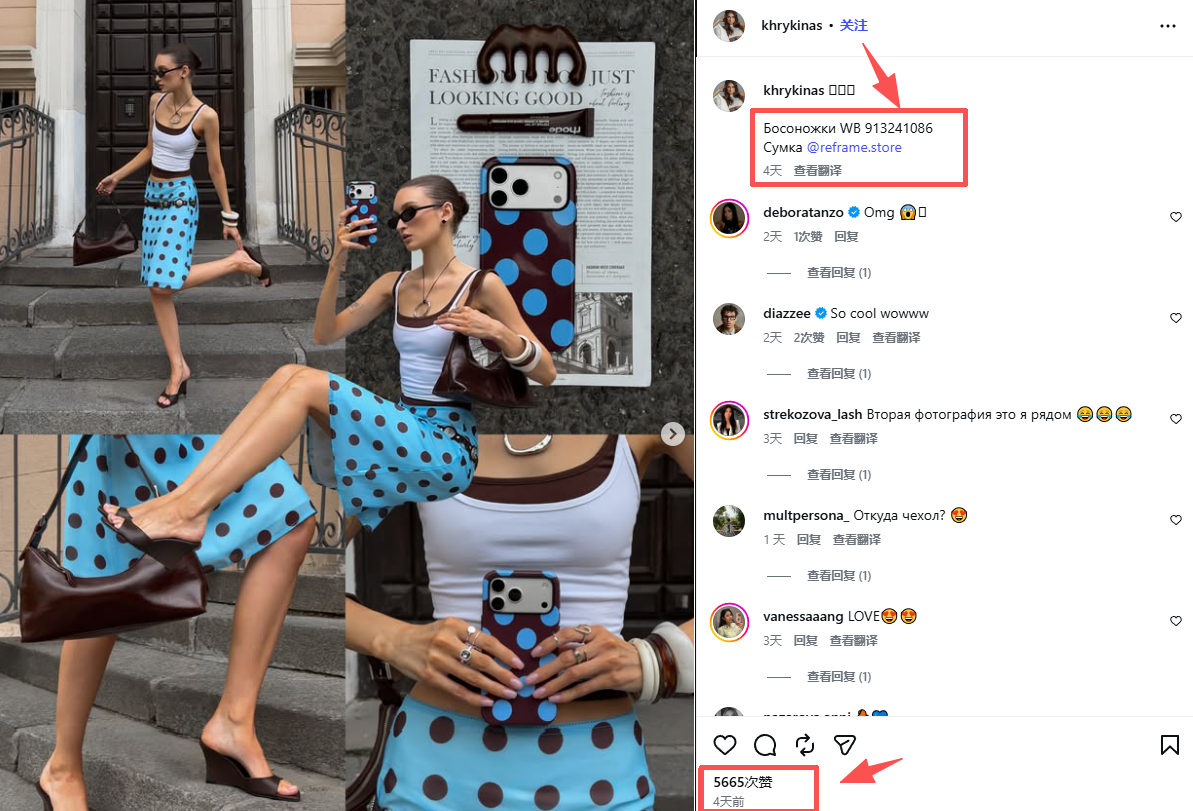
Subsequent creators who replicated similar scenarios also performed very well.
Effective influencer marketing requires a fast-paced, highly flexible approach. Brands should build a pool of high-quality influencers in advance and streamline the collaboration process to ensure they can quickly collaborate with influencers to produce trending content within 48 hours. By capitalizing on the momentum of viral trends across the internet, brands can rapidly boost their overseas visibility and generate buzz.
V. Reusing Influencer Content Across All Channels to Maximize Marketing Value
High-quality, authentic content created by influencers is by no means limited to overseas social media platforms. Today, influencer videos can be re-edited and repurposed for use across multiple channels, including large-screen advertisements, e-commerce product pages, the homepages of independent websites, and overseas TV ad feeds.
By finalizing commercial licensing agreements and usage scope with influencers early in the collaboration, brands can reuse a single set of footage across various scenarios. This approach significantly reduces overall marketing costs while maximizing marketing effectiveness.
By 2026, influencer marketing will have long since moved beyond crude, one-size-fits-all advertising models, undergoing a comprehensive upgrade toward precision, sustainability, omnichannel integration, and intelligence. From content formats and search traffic strategies to on-site product promotion, leveraging trending topics, and monetizing content through secondary channels, every trend aligns with user preferences and platform guidelines.
Only by adapting their influencer marketing strategies to these trends—selecting the right partners and leveraging effective content strategies—can brands secure a competitive edge in the fierce market landscape, driving simultaneous growth in both sales and brand influence.
