
Three Leading Pet Brands, Three Creator Playbooks
The pet economy keeps growing, and TikTok and YouTube have become the primary channels through which brands reach pet owners. Creator marketing is no longer a matter of slotting a product into a video. It works by matching distinct creator profiles and content formats to distinct product categories, building consideration and driving conversion at the same time.
This piece looks at three representative brands and unpacks the creator collaborations behind each one, reviewing the strategies different pet categories rely on. The goal is a set of practical, replicable playbooks.
I. PetPivot: turning hardware specs into a cat’s personal review
Founded in 2023, PetPivot builds around a single hero product: the automatic litter box. Its positioning is simple, dependable automation for cat owners, and its core differentiator is what it leaves out — no app, no subscription fee — which lowers both the entry barrier and the maintenance cost that usually come with smart litter boxes.
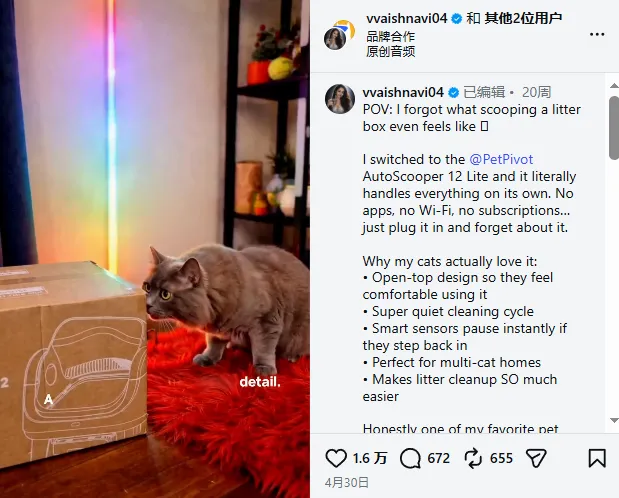
Creator: vvaishnavi04 — POV plus unboxing review
The video is shot from the cat’s point of view, narrating what a new litter box actually feels like to the cat using it. For hardware, this is a clever creative move: it shifts the selling point from a company pitching a product to the cat’s own experience of it.
The anthropomorphic voiceover carries the humour. Viewers who scroll past stop because they want to know how a cat would review a litter box — which holds attention and lifts watch time.
Creator: Fluffy finds — reply-to-comment
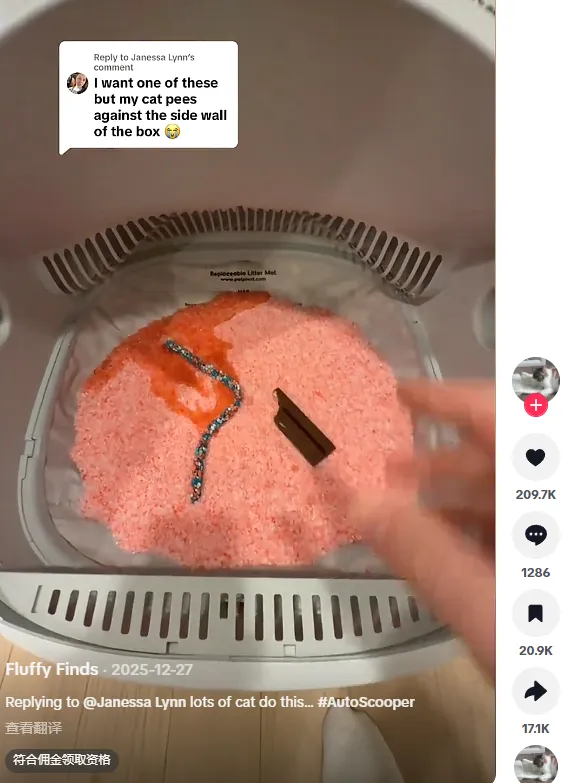
Reply-to-comment is one of TikTok’s most effective templates. The creator picks a real question raised in the comments, films a short video that answers that specific concern, and demonstrates the product’s selling points in the process. Conversion follows naturally.
This video passed 200K likes. Note that no real cat appears in it. Chocolate stands in for waste and a coloured drink for urine, making clumping, leak prevention and the rotating self-clean cycle visible at a glance. The result is easier to grasp than real-cat footage, easier to control on set, and easy to reproduce at volume.
II. Zesty Paws: letting a story carry the product
Zesty Paws is a well-known name in functional pet nutrition, with a line spanning cats and dogs and built around soft-chew supplements: joint care, calming, digestive support, dental care, fish oil. Palatability is the through-line across the range, and the brand has become a benchmark in the supplements category on social.
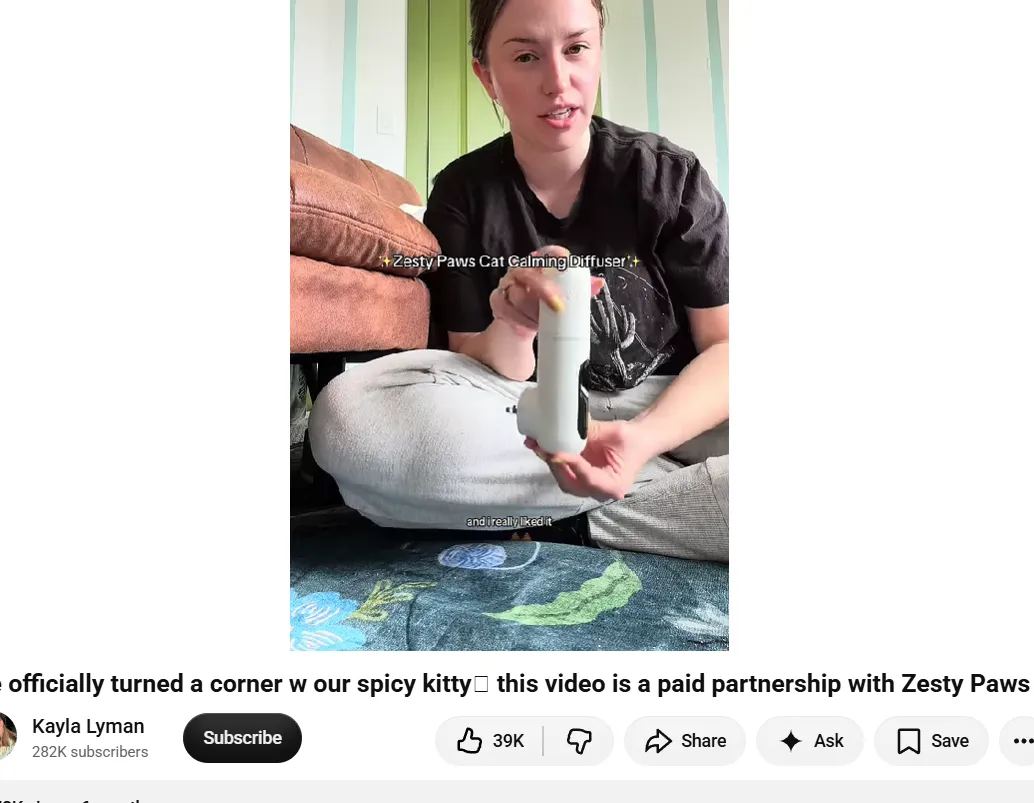
Creator: Kayla Lyman — story-led integration
The video opens with a real problem in the creator’s own home: a cat in pain from a toothache, and the irritability that comes with it — a “spicy kitty”. Only then does it introduce the turn after using Zesty Paws’ calming diffuser: the cat settles, the household calms down.
Viewers get the story first and the product second, so the instinctive this is an ad reaction never fires. This is native integration in the strict sense — the product is what solves the problem inside the story, not the star of the pitch. The video drew 39K+ likes.
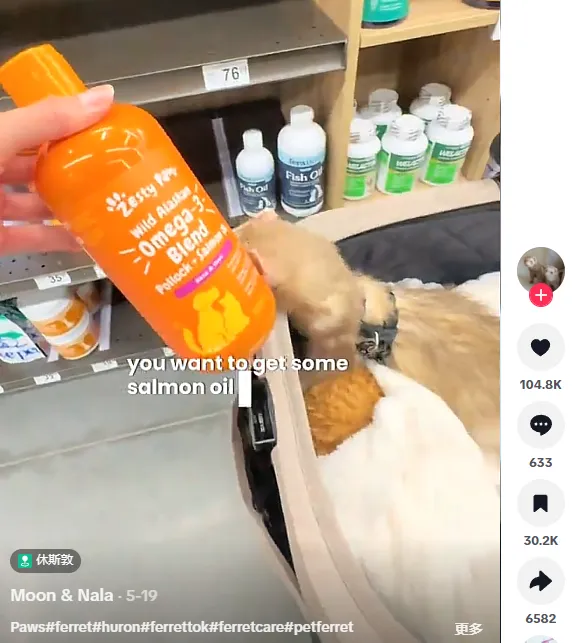
Creator: Moon & Nala — buying-guide format
Framed as a “pet shopping guide: what to skip”, the creator goes to a physical store and, while shopping, picks up the recommended product and puts it in the cart. Useful know-how runs alongside, rather than a wall-to-wall pitch, which keeps the viewing experience comfortable.
The logic: the product enters as one line item on an entire shopping list, positioned as the best option within that set of criteria. The video earned 100K+ likes and 30K+ saves.
III. Petkit: demonstrating the mess, then removing it
Petkit is a leading player in connected pet hardware, with automatic litter boxes and smart feeders at the core of its range. IoT connectivity, built-in cameras and AI health monitoring add up to an ecosystem for monitoring pets at home.
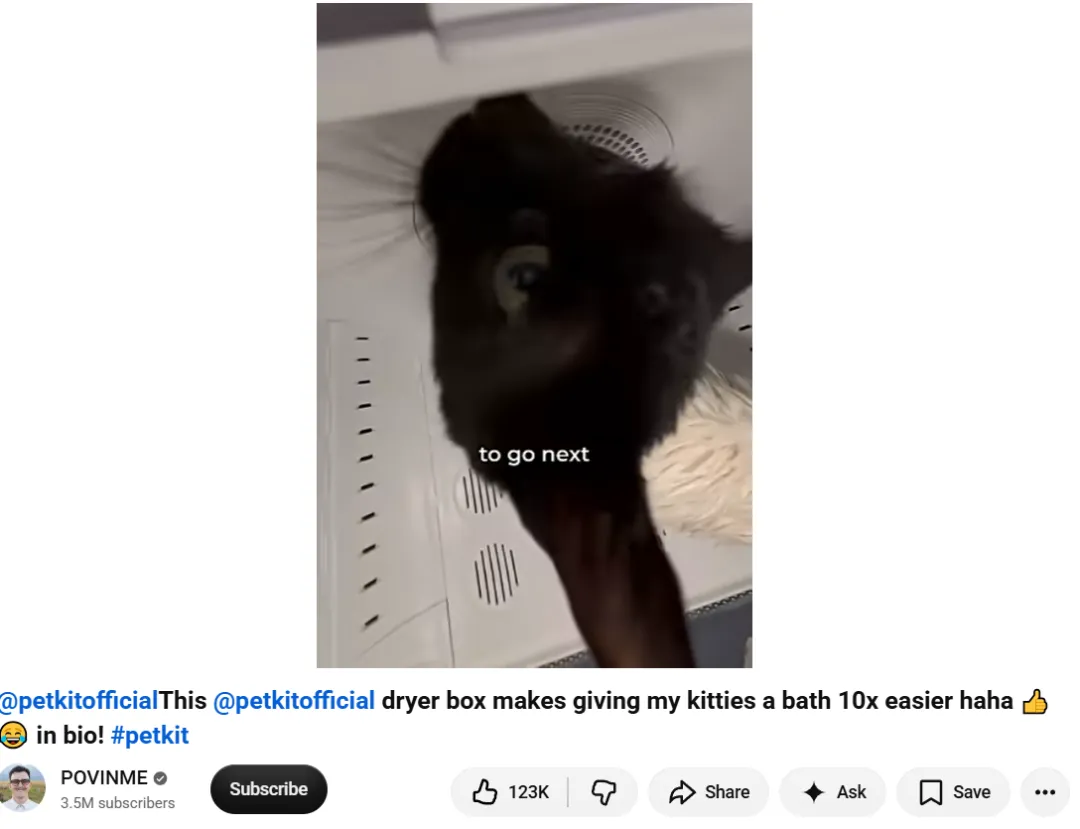
Creator: POVINME — pain-point demonstration
The creator films a cat bath as it happens, recreating every cat owner’s worst afternoon: the struggle, the drying, the resistance. Almost every cat owner recognises this problem immediately.
The mess of the traditional bath-and-dry routine is shown plainly, and viewers think that’s me. Then the product appears — a pet dryer — and the process is demonstrated end to end. The scene does the explaining here. What the product fixes is obvious on screen, and the footage proves it without much narration.
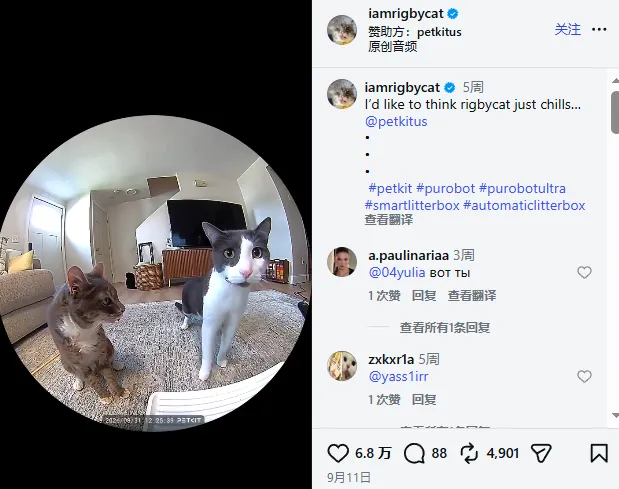
Creator: iamrigbycat — everyday integration
The draw is the cat itself: the expressions, the small funny moments. Entertainment comes first and rides the pet-content algorithm — and the footage happens to be captured by the brand’s litter box, which places the product on screen naturally.
Leaning on the creator’s own IP and tying the brand to a likable pet persona builds warmth rather than purchase intent. The advertising footprint is light, audiences accept it, and reach can build organically — this video drew 4.9K+ shares and 68K likes. A good fit for long-term brand building.
What the three have in common
Across all three brands, the lesson is not about chasing the biggest accounts. It is about alignment: product category, creator identity and content template matched to one another.
Brands that choose creators according to what their category actually needs are the ones that move pet owners. And creator partnerships are not one-off buys. They are a long-running programme that accumulates UGC assets and builds brand reputation over time.
About Noxinfluencer
Noxinfluencer is the world’s most-visited influencer marketing engine, helping brands match creators, run outreach and monitor performance. It covers 150M+ creator profiles across YouTube, TikTok, Instagram and X, has worked with 700K+ brands, and offers three service models: influencer marketing SaaS, managed campaigns, and API data services.(We cordially invite you to try it out :Influencer Marketing Platform & Analytics Tool | NoxInfluencer)
