
From a Garage Startup to $100M+ in Annual Revenue: How One Brand Broke Through With a Silicone Ring
While most brands are still fighting it out in crowded categories like consumer electronics and bulky home goods, one product that looks almost too simple to matter — a silicone ring that costs a few dollars to make — has built a nine-figure annual business in the North American market. The team behind it has grown from 6 people at launch to more than 200 today.
That brand is Groove Life. Today, Noxinfluencer breaks down exactly how it got there.
(Follow Noxinfluencer for more influencer marketing insights.)
I. Brand Origins: A Startup Born From “Almost Losing a Finger”
Groove Life’s story begins with a real accident in the Alaskan wilderness.
The founder was an outdoor adventure guide. While building a cabin, his metal wedding band caught on something and nearly tore his finger open. The experience made him realize that traditional metal rings are, in outdoor work and high-risk job settings, a genuine safety hazard: a metal band doesn’t break under load, so once it catches on machinery, the wearer can lose a finger.
He first tried the silicone rings already on the market, but they fell short — they didn’t breathe, they warped easily, and they lacked any real design.
So he set out to engineer the first-generation Groove Ring: medical-grade silicone, with a specially designed channel of grooves on the inner band that lets air circulate and moisture escape — and a ring that flexes and breaks away once the load exceeds a safe threshold, protecting the finger.
In December 2015, the founder launched a Kickstarter campaign and raised close to $18,000, confirming that demand for the product was real.
II. Anchoring on a Real Pain Point — and Building a Technical Moat
Groove Life’s product logic was never “make a better-looking silicone ring.” It was “solve the physical problem that metal rings can’t solve.”
Its core patents center on the groove structure on the inner band — a design that both allows airflow and sweat to escape and, through a two-layer break-away construction, delivers safety.
More importantly, Groove Life pushed the product into high-risk occupational settings on purpose. In an Amazon case study, the brand’s director of market growth noted that Groove Life proactively approached factories that “had never allowed workers to wear rings,” because metal rings can get caught in machinery and cause workplace injuries, and that Groove Life’s silicone rings “have lower destructive force” — so workers can now wear their wedding bands on the job.
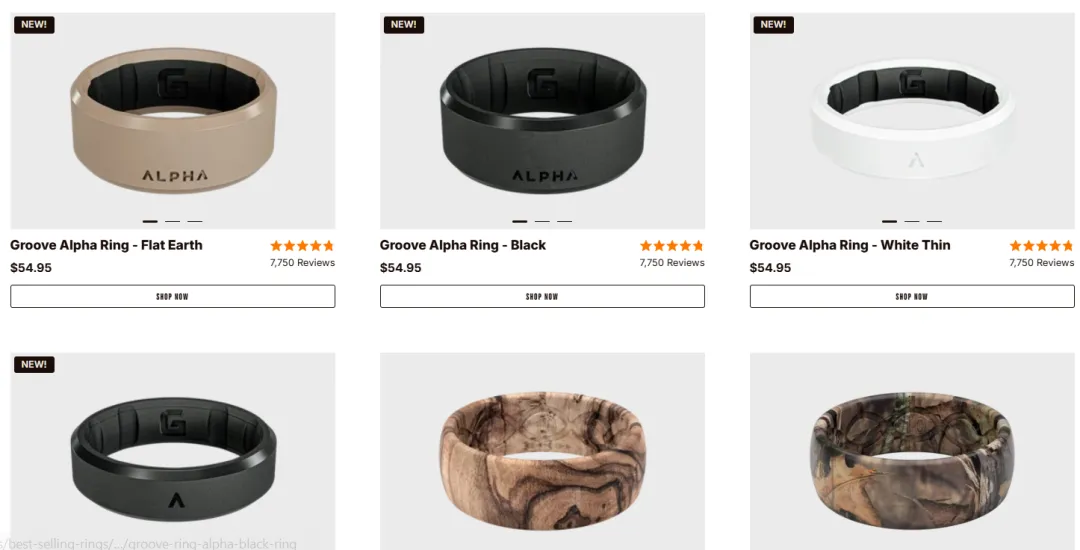
That strategy built a must-have perception among firefighters, manufacturing workers, and military and law enforcement personnel, rather than relying only on the “nice to have” demand of outdoor enthusiasts.
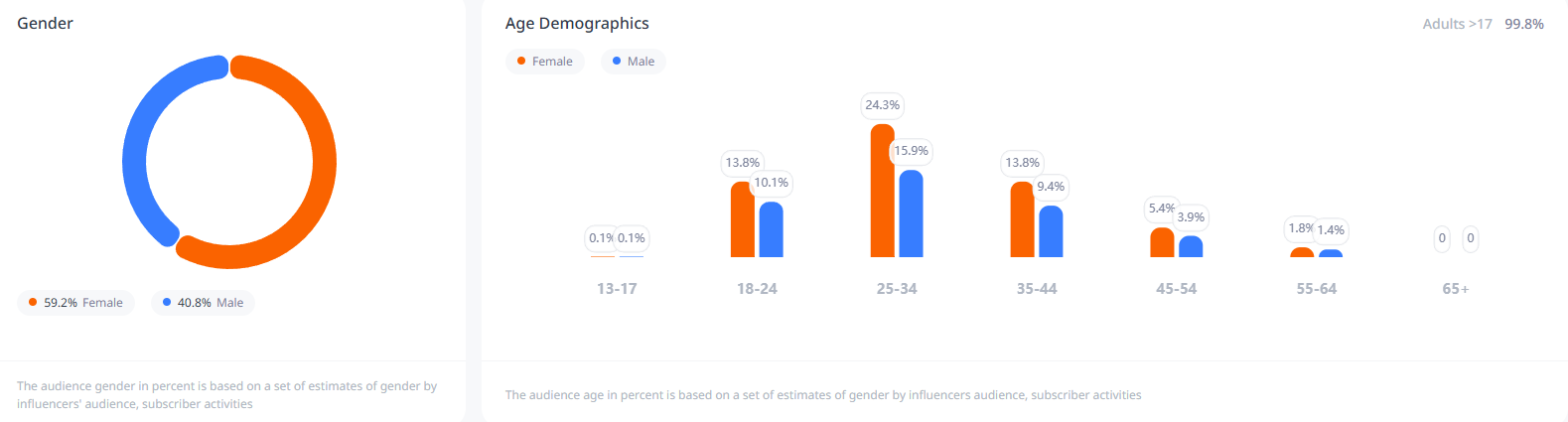
Noxinfluencer platform data shows that its core audience skews male and 25–44 — exactly the group Groove Life was targeting.(Data from Noxinfluencer, We cordially invite you to try it out :Influencer Marketing Platform & Analytics Tool | NoxInfluencer)
III. From Single Product to Brand: The Logic Behind Category Expansion
Groove Life didn’t stop at the silicone ring. Once the business stabilized, it rolled out magnetic belts, minimalist wallets, Apple Watch bands, and more.
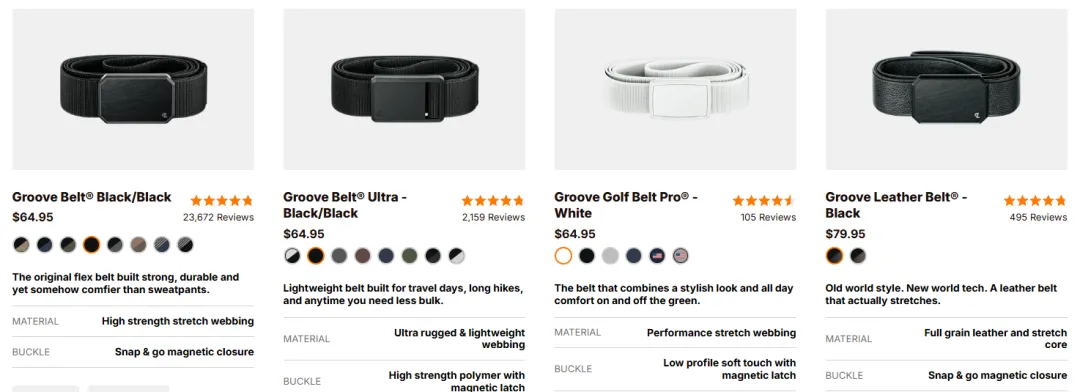
The expansion wasn’t random diversification — it all orbits the same core positioning: adventure gear.
Take the smart wallet launched in 2024: it integrates “Find My” anti-theft functionality and RFID-blocking technology, extending Groove Life’s consistent product philosophy of solving real problems through function. Every new product serves the same user profile — outdoor enthusiasts, blue-collar workers, and practical-minded consumers who need gear that keeps up with how they live.
IV. Influencer Marketing: Driving Reach With Pain-Point Stories
Groove Life’s products are functional wearables built for outdoor and athletic use. The pain point is immediately tangible, and the core selling points — stretch, magnetic closure — can be demonstrated the moment you pick one up. That makes the products ideal for short-form video: unboxings and wear-test demos are cheap to shoot and easy to make feel native, which makes the brand a natural fit for influencer marketing.
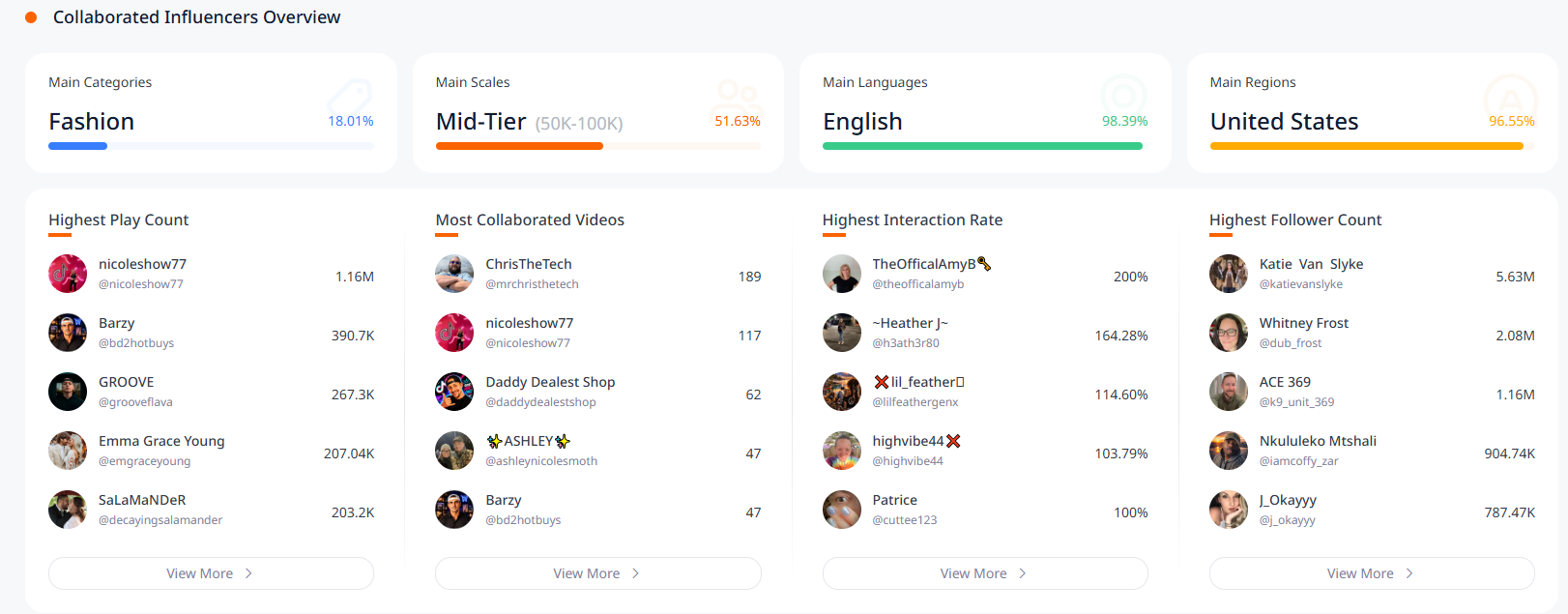
According to Noxinfluencer platform data, the brand works with 2,000+ influencers a year, with a particular focus on TikTok, and those videos have generated more than 10 million impressions for Groove Life.(Data from Noxinfluencer, We cordially invite you to try it out :Influencer Marketing Platform & Analytics Tool | NoxInfluencer)

Groove Life concentrates its influencer resources on the US English-language market, with the core of its spend going to mid-tier creators in the 50K–100K follower range. The brand selects strong creators and reinvests in them over the long term — some have produced more than a hundred sponsored videos — while still drawing value from different creator tiers.
Look at its best-performing videos and you’ll see the same structure almost every time: lead with the pain point, then reveal the product as the solution. Not “our belt looks great” — but “are you running into this problem? Here’s what fixes it.” Visually, it’s hands-on testing and wear demos: squeezing the belt to show its stretch, filming it actually worn, showing the result directly.(Data from Noxinfluencer, We cordially invite you to try it out :Influencer Marketing Platform & Analytics Tool | NoxInfluencer)
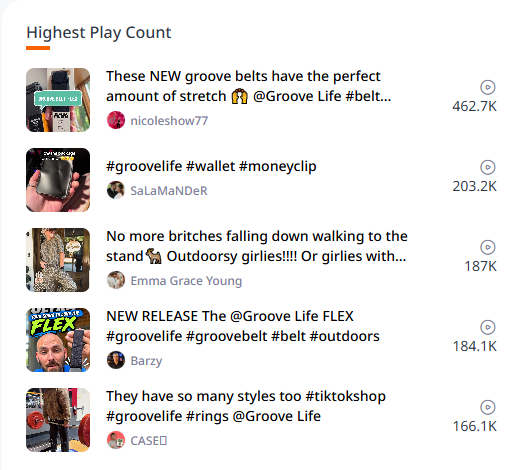
Every video consistently carries the branded #groovelife tag alongside #belt, #magneticbelt, #wallet, and #outdoors — covering both brand search and category traffic. That captures the brand’s own follower base while also reaching broad-intent users searching TikTok for “outdoor belt” or “magnetic belt.”
V. Where the Brand Stands Now — and Its Latest Strategic Shift
Groove Life’s growth story hasn’t been without setbacks.
Speaking at the 2026 Commerce Roundtable, the president of Groove Life said the brand is going through a deliberate strategic pullback and margin repair. The brand had fallen into a “discount prison”: customers were trained to buy only on sale, eroding its ability to sell at full price.
In 2026, Groove Life is concentrating discounts around Father’s Day and the holiday season, and its Black Friday promotion starts on a Wednesday and runs just one week — a move meant to protect the brand’s price perception.
The brand also rebuilt its product pages, and the updated pages convert noticeably better. The numbers point to a shift from “growth first” to “profit and brand equity first.”
Groove Life’s path isn’t one you can copy wholesale, but the underlying logic is worth borrowing: if a brand can pinpoint a real customer pain point, solve it in the product itself, and get both marketing execution and brand equity protection right, a niche category can still support a nine-figure business.
