
An e-commerce entrepreneur has launched a new business and is earning 500 million yuan a year by selling small appliances.
According to a report by Fortune Business Insights, the global kitchen appliance market reached $268.31 billion in 2025 and is projected to exceed $502 billion by 2034. In this sector, long-established international brands such as Ninja, Bosch, Breville, and KitchenAid have long dominated consumer perception, while domestic giants like Midea and Joyoung are accelerating their expansion into markets.

Amid this landscape, a company based in Shekou, Shenzhen, China—Typhur—has stunned the industry with a set of figures that seem almost impossible to achieve simultaneously: the brand’s revenue is projected to reach $70–80 million in 2025, representing year-over-year growth of over 300%, with a gross profit margin of 64%. Its products are priced at 4–5 times that of comparable mainstream products on Amazon and have consistently ranked at the top of Amazon’s subcategory sales charts.
How exactly has this Chinese brand managed to break free from the low-price price war and carve out a niche in the overseas high-end kitchen appliance market?
I. Identifying the $100 Billion Blue Ocean Market Overlooked by Industry Giants
In the United States, the cost of dining out has long been high; a full meal often costs $100 to $200 per person, and tips must be paid on top of that. Faced with these financial pressures, more and more American families are cutting back on dining out and turning to home cooking.
However, Western-style home cooking presents a very real challenge: everyday main courses often consist of large cuts of meat—such as steaks, roast chicken, or turkey—and controlling the cooking temperature relies heavily on personal experience. Even a slight misstep can result in food that’s burnt on the outside but raw on the inside, or meat that’s dry and tough. Furthermore, high-quality meat is expensive, so a failed cooking attempt wastes both money and time.
It is precisely this practical dilemma that has given rise to a clear consumer demand: consumers are willing to pay for a kitchen appliance that eliminates cooking variables and lowers the learning curve, allowing them to consistently produce restaurant-quality dishes without relying on years of cooking experience.
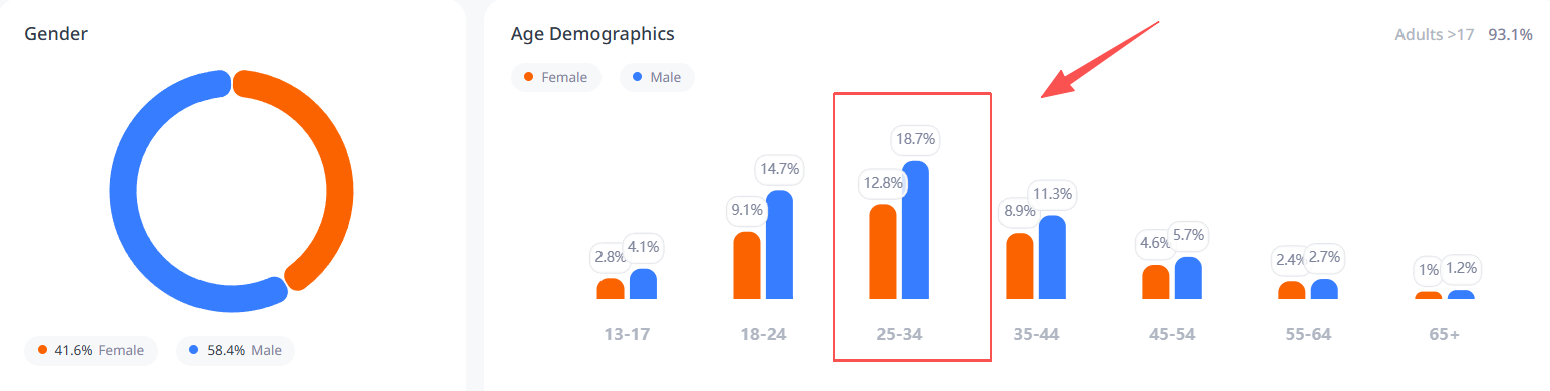
According to data from the Noxinfluencer platform, Typhur’s audience consists primarily of 25–34-year-olds in Europe and the United States. Most of these individuals have entered the workforce, have their own income, and can afford high-end small appliances; teenagers lack sufficient purchasing power, while middle-aged and older adults tend to opt for affordable traditional kitchen appliances and are less receptive to high-priced smart devices.(Data from Noxinfluencer, We cordially invite you to try it out :Influencer Marketing Platform & Analytics Tool | NoxInfluencer)
II. Two or Three Years of Quiet Development: Defining Products Through Technology
In November 2020, CEO Sun Caijin quietly left the company he had founded and established Typhur in Shenzhen.
From 2021 to 2023, Typhur reported zero revenue for three consecutive years, investing a cumulative total of nearly 30 million in research and development. R&D personnel make up more than 50% of the company’s workforce, with core members hailing from tech giants such as DJI, Dyson, Huawei, Apple, Google, and Amazon. To date, the company has accumulated more than 200 patents, over 100 of which are invention patents.
Behind this “luxury” lies the founder’s firm belief in “defining products through technology.” He once said, “Typhur aims to be a friend of time.”
On the product side, Typhur has integrated multiple industry-first technologies into its kitchen appliance hardware. The InstaProbe food thermometer, equipped with patented DCTi™ technology, takes just 0.75 seconds to provide a reading and was named “Best Digital Meat Thermometer of 2024” by USA Today. Its Dome 2 air fryer features an industry-first high-temperature self-cleaning mode that uses high heat to break down grease inside the chamber…..
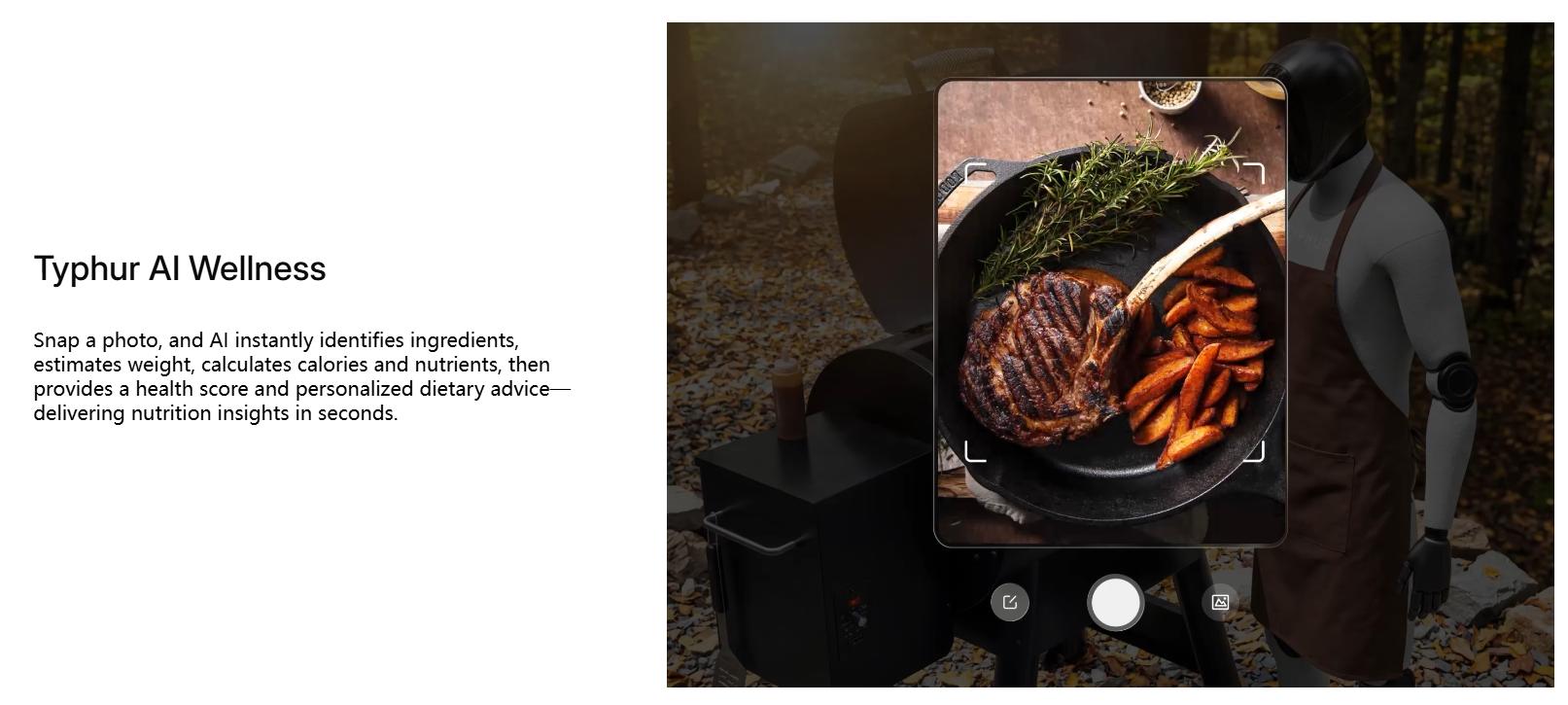
These technologies are not minor innovations; they genuinely address pain points in home cooking—precise temperature control, healthy materials, and easy cleaning. While competitors are still competing on capacity and power, Typhur has already established a technological moat through “scientific cooking.”
III. Elevating the Brand: Fighting the Perception Battle, Not the Price War
In October 2022, the tech media outlet TechCrunch published an article reporting that Typhur had secured $20 million in seed funding.
In fact, the focus of this report wasn’t on the amount raised, but rather on setting the tone for the brand. Instead of engaging in price wars or spec battles with established competitors like Ninja and Cosori, Typhur positioned itself directly within the tech and venture capital media sphere to tell its story, emphasizing concepts such as the smart kitchen, the science of cooking, and consumer tech startups.
The goal is simple: to make it immediately clear to people who have never heard of the brand that this isn’t just some generic small appliance produced by a random factory under an OEM label, but a legitimate tech startup backed by funding, cutting-edge technology, and professional chefs.
When it comes to influencer marketing, Typhur also follows a clear strategy. According to data from the Noxinfluencer platform, Typhur has partnered with over 1,000 international influencers, primarily YouTube creators.(Data from Noxinfluencer, We cordially invite you to try it out :Influencer Marketing Platform & Analytics Tool | NoxInfluencer)
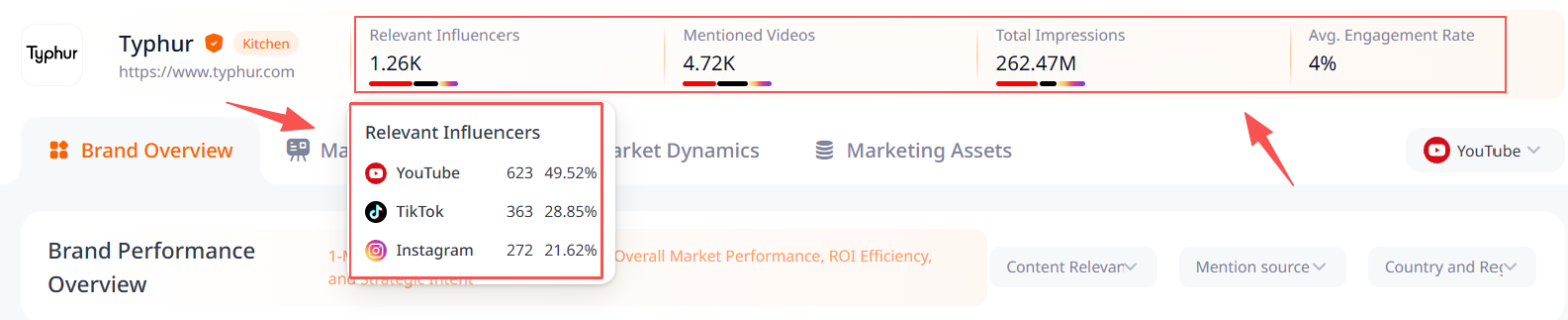
Although the brand positions itself externally as a consumer tech startup, its influencer marketing does not primarily target tech bloggers; instead, 70% of its resources are allocated to food-focused bloggers.
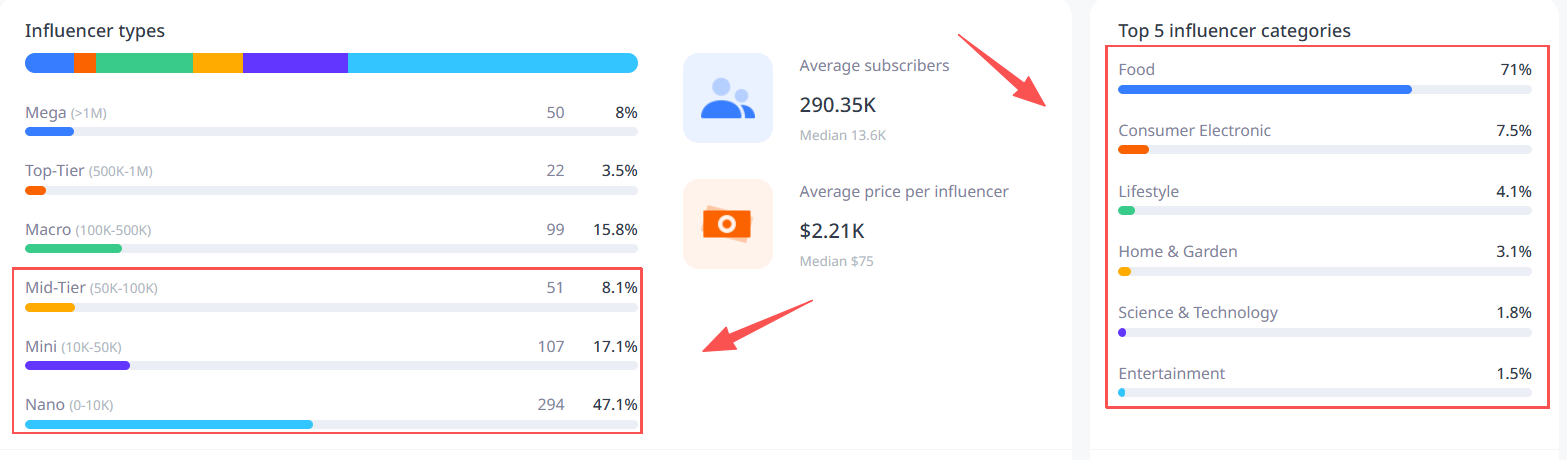
The core logic is that the product is ultimately a cooking tool; users are buying better cooking results. Food bloggers produce finished dishes like steak and turkey, visually demonstrating the product’s value in solving cooking pain points—which resonates more deeply with ordinary consumers than simply breaking down hardware specifications. A small number of electronics and lifestyle bloggers serve as a supplement, conveying the brand’s tech-driven and home-life aesthetic.(Data from Noxinfluencer, We cordially invite you to try it out :Influencer Marketing Platform & Analytics Tool | NoxInfluencer)
Typhur’s success is, at its core, a victory in elevating consumer perception. Rather than engaging in a price war with competitors, the company spent three years building technical barriers, establishing a competitive moat through a data flywheel, and capturing user mindshare through influencer marketing.
Starting with a single temperature probe, Typhur has proven one thing: in the world of product sales, the highest level of competition isn’t about who can offer the lowest price, but about who can best use technology to solve users’ real pain points and capture their minds through influencer marketing.
