
A Chinese brand with annual revenue of 500 million has dominated the high-end market in North America with its robots.
Robot vacuum cleaners have found their way into millions of homes, and humanoid robots have taken the stage at the Spring Festival Gala—in this era where “everything can be a robot,” there is one type of robot that remains largely unknown: it retails for as much as $2,000–$3,000, more than three robot vacuum cleaners combined; even more surprisingly, this product sold out during pre-orders in just 30 days and swept up 85% of Amazon’s high-end market share within half a year.
Behind all this is a Chinese brand founded just a few years ago—Beatbot—which specializes in pool robots and saw its first-year revenue exceed $74 million. What exactly is the secret to this brand’s success?
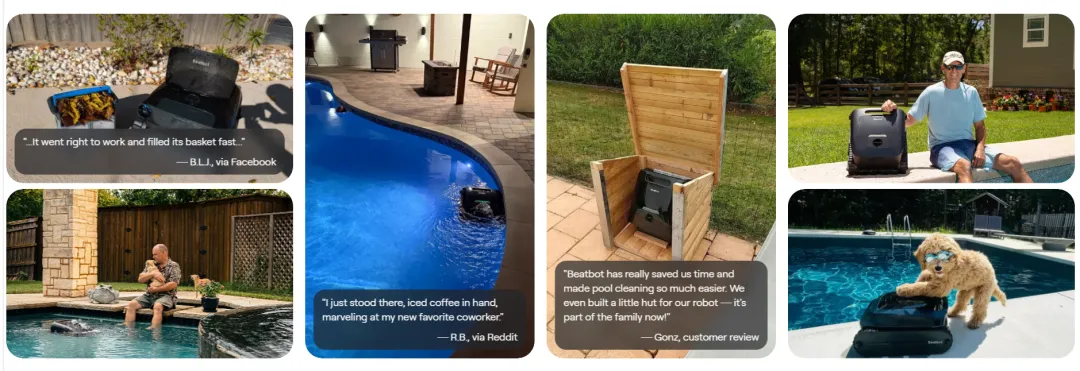
I. Seeing Huge Opportunities in “Niche” Markets
The key to Beatbot’s breakthrough lies in founder Wang Shengle’s precise assessment of the market.
Born in a rural area of China in 1990, Wang Shengle grew up in poverty and began working on the farm at a young age. After graduating from college, he joined Ecovacs as a research and development engineer and later became a co-founder and executive vice president at Dreame Technology, accumulating a decade of hands-on experience in the robotics industry.
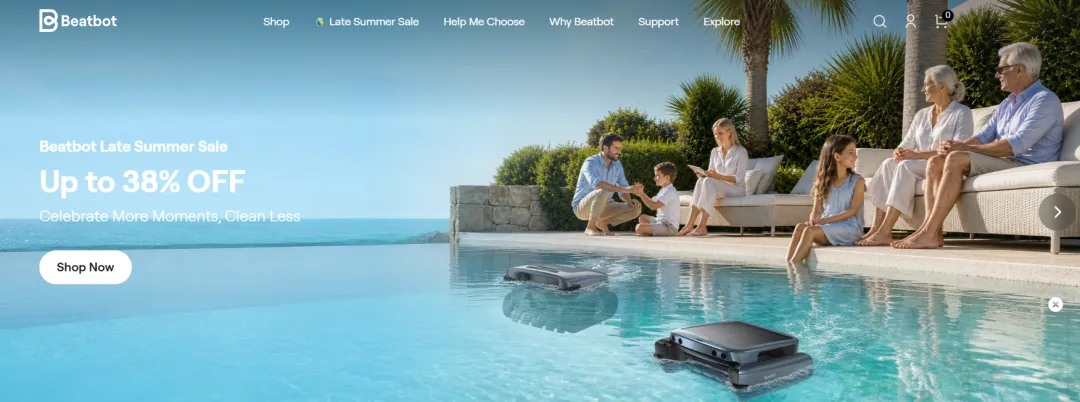
In 2022, as he prepared to launch his own startup, most observers assumed he would stick with the familiar territory of robotic vacuum cleaners—a mature market that would save him significant user education costs. However, Wang Shengle charted a different course. After nine months of research and analysis, he ultimately chose the relatively niche market of robotic pool cleaners.
This decision was based on detailed market data: A RenoSys report revealed that there are over 10 million swimming pools in the United States, a hallmark of American life. However, cleaning a pool is time-consuming and labor-intensive, and removing debris from the water’s surface—such as fallen leaves and flying insects—is particularly troublesome.
The vast majority of pool robots on the market can only clean the pool floor and walls, leaving surface debris to be handled manually. User needs have not been fully met, and with traditional industry giants having shown little innovation for over two decades, a significant market opportunity remains.
II. Precise Positioning: Targeting the Ultra-High-End Market
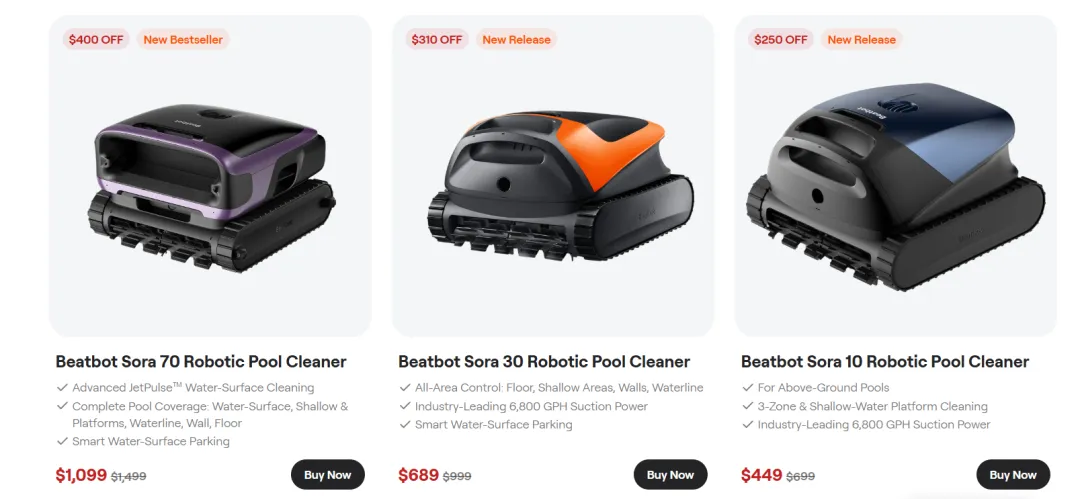
Beatbot’s most counterintuitive strategy was to proactively forego the low-price market and target the ultra-high-end segment—priced at over $1,000—from the very beginning.
This strategy is based on a profound insight: for high-end customers willing to spend over $2,000 on pool equipment, the core need is not affordability, but rather “reducing manual maintenance and achieving fully automated pool cleaning.” What they need is a solution that truly frees them from manual labor, not a cheap substitute.
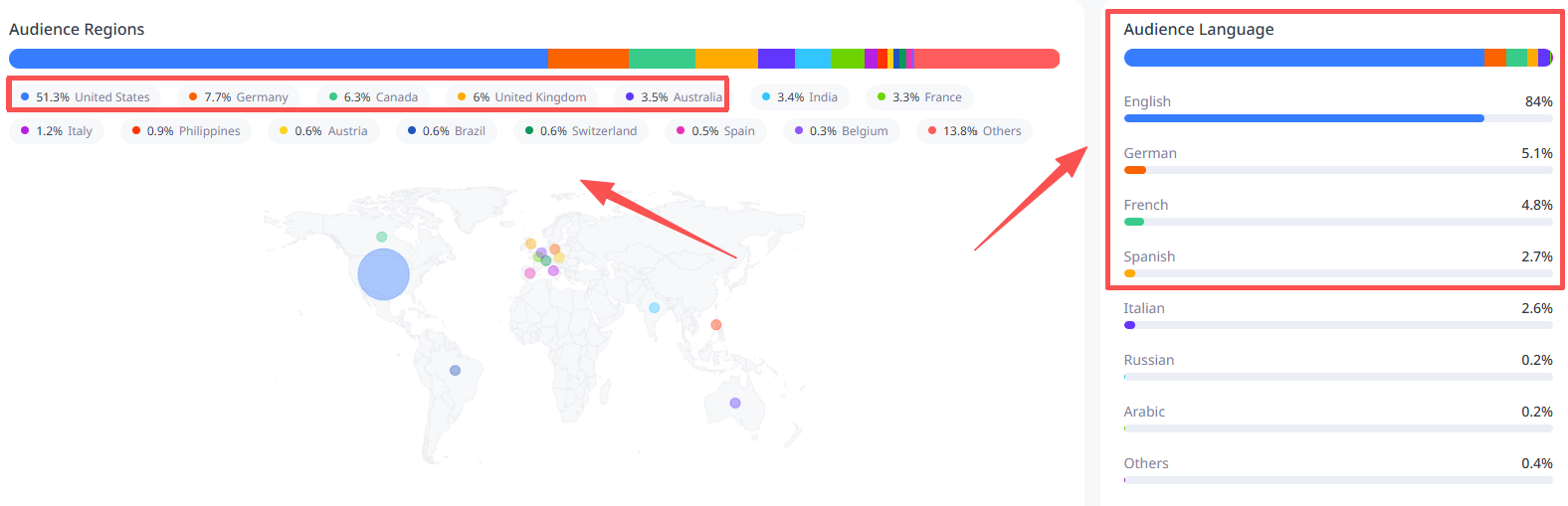
According to data from the Noxinfluencer platform, its audience consists largely of consumers from developed countries.
(Data from Noxinfluencer, We cordially invite you to try it out :Influencer Marketing Platform & Analytics Tool | NoxInfluencer)
Only after establishing a firm foothold in the ultra-high-end market did Beatbot begin to expand its product line downward. The series launched in 2026 will bring prices below $1,000—this “aim high first, then expand downward” strategy leverages the momentum generated by its high-end image to capture the broader middle-class family market.
III. Building a High-End Brand Image Through Quality and the “Internet Celebrity” Effect
Sales of high-end products are, at their core, about building trust. Beatbot understands this well, focusing on influencer marketing while elevating its brand image.
According to data from the Noxinfluencer platform, Beatbot collaborates with over 1,300 influencers annually, producing more than 2,800 videos—and these product promotion videos have generated over 120 million impressions for the brand.
(Data from Noxinfluencer, We cordially invite you to try it out :Influencer Marketing Platform & Analytics Tool | NoxInfluencer)
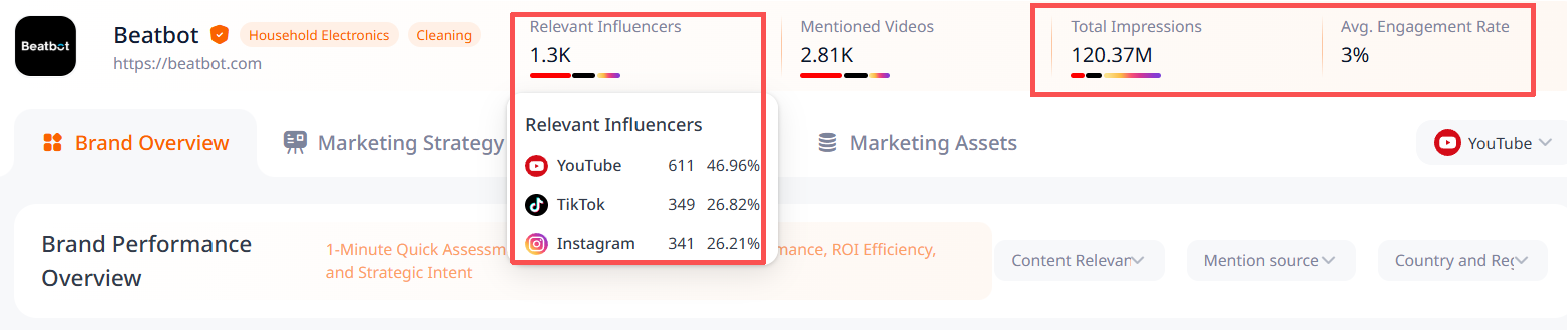
Electronics are a category where purchasing decisions are made rationally. Consumers extensively browse reviews from multiple sources and read authentic user experiences. Success does not rely on one or two major influencers going viral; rather, it requires a vast number of creators to produce reviews, unboxing videos, and hands-on testing content, forming a comprehensive content matrix across the web to create an atmosphere where the product is being discussed everywhere.
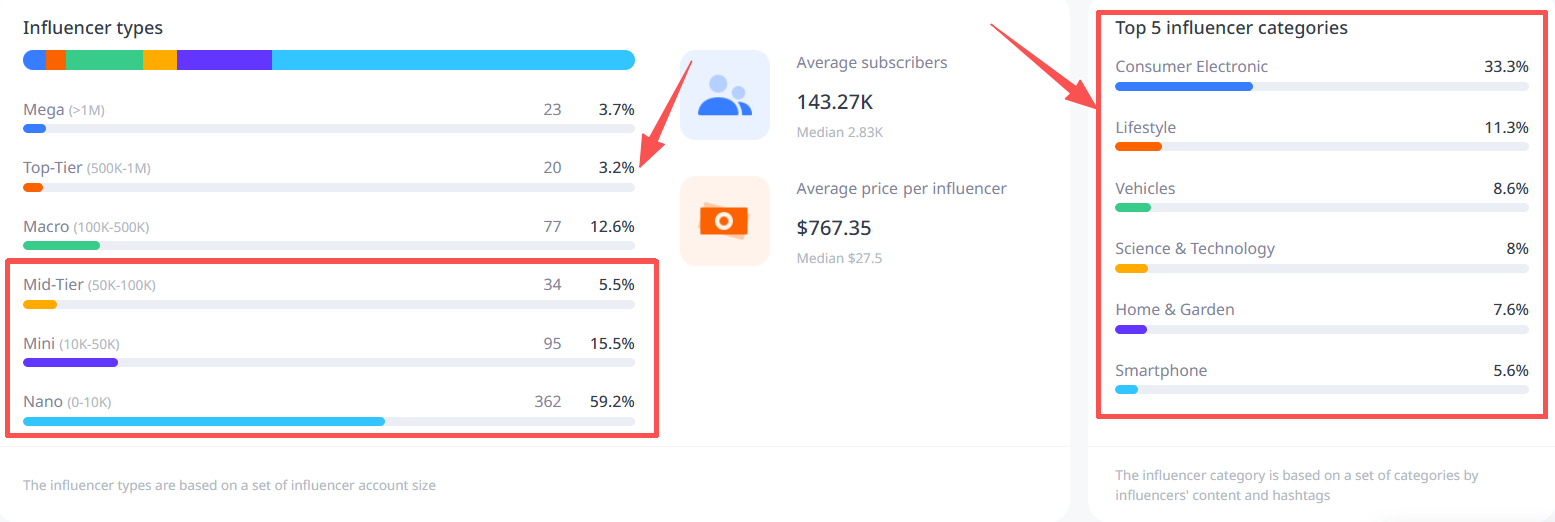
Consequently, the brand has placed its primary bet on micro-influencers and smaller-scale influencers, adopting a strategy of saturating the market with a vast number of mid-tier and long-tail creators. The influencers it partners with are predominantly niche-focused, concentrating on the 3C electronics sector. Electronics account for 33.3% of the total—far ahead of other categories—followed by lifestyle, transportation, and technology. Advertising spending is heavily weighted toward the digital hardware sector, aligning with the product attributes of this hardware brand.
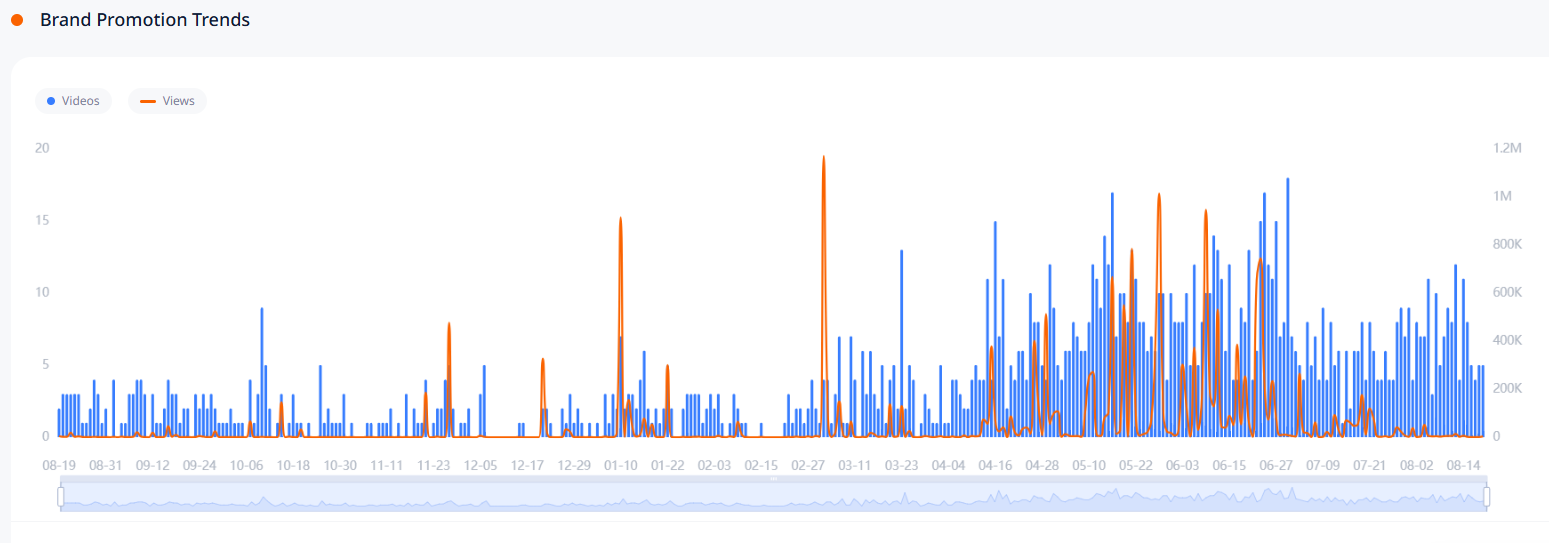
After reaping the benefits of influencer marketing, Beatbot’s promotional momentum has grown significantly.
(Data from Noxinfluencer, We cordially invite you to try it out :Influencer Marketing Platform & Analytics Tool | NoxInfluencer)
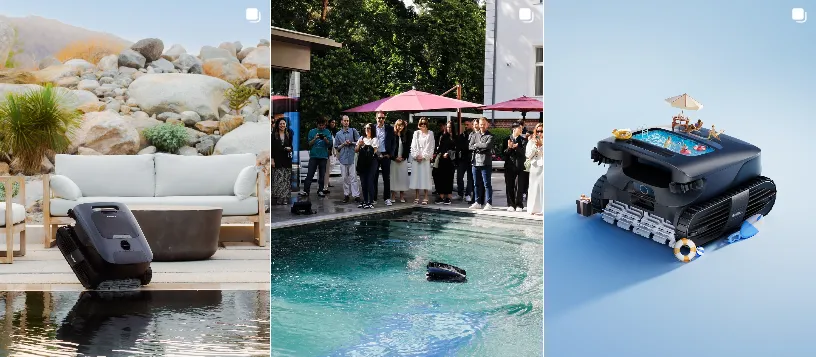
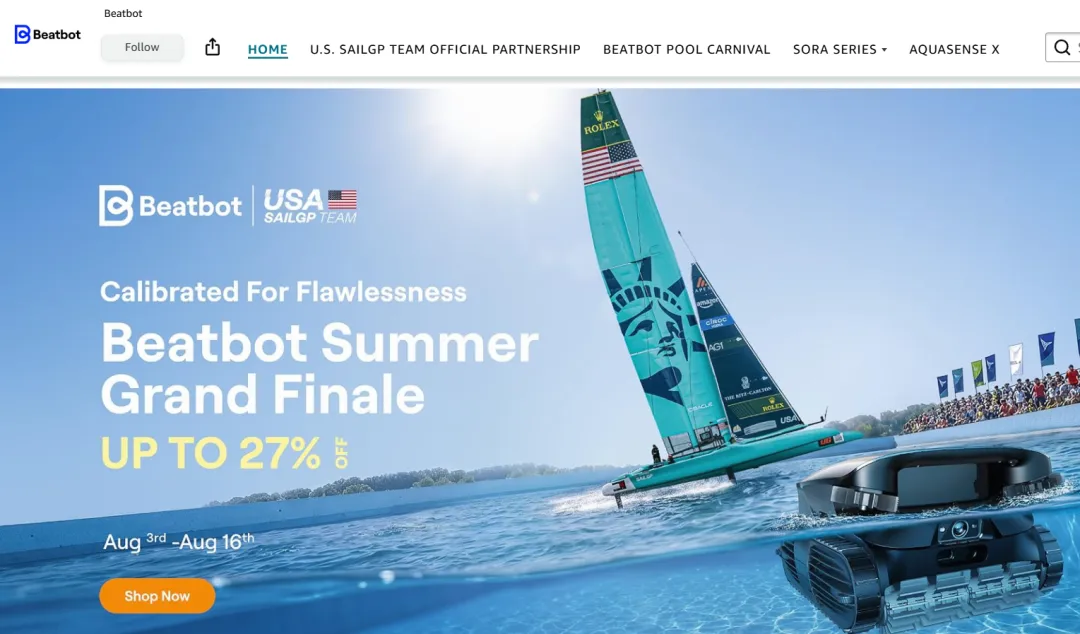
In terms of brand visuals, Beatbot has chosen to deeply integrate “quality” into its marketing messaging. On social media platforms like Instagram, the brand’s accounts frequently feature elements such as luxury homes, vacations, and sailboats, effectively establishing a high-end brand image.
IV. Channel Strategy: Dominate Online, Deepen Offline Presence
When it comes to channel strategy, Beatbot has also demonstrated a precise sense of timing.
In the early stages, Beatbot focused on its independent website as its core platform, continuously optimizing its products based on actual user scenarios and its technological strengths, and gradually building brand reputation. In 2024, the brand began expanding to Amazon’s North American and European sites; orders exceeded 100 on the very first day the store went live, and within three months, sales on Amazon surged past $15 million.
After establishing a firm foothold online, Beatbot rapidly expanded into brick-and-mortar retail. In November 2024, at the PSP Expo in the U.S., Beatbot announced a strategic partnership with Solis, a leading global specialty chemicals manufacturer, enabling its products to enter thousands of U.S. retail stores.
Currently, Beatbot products are available in more than 38 countries and regions worldwide, distributed through over 2,000 high-end retail stores and specialized pool distribution networks. In premium commercial districts across multiple key markets, Beatbot has also launched pop-up stores to enhance the interactive experience with its target consumers.
From a startup in Suzhou, China, to the world’s leading brand in the high-end pool cleaning robot sector—Beatbot has completed a textbook-perfect global expansion journey in just a few years.
Its story proves that in the face of global competition, Chinese brands are fully capable of competing head-to-head with international giants in the high-end market—and emerging victorious—through genuine technological innovation and precise brand positioning.
